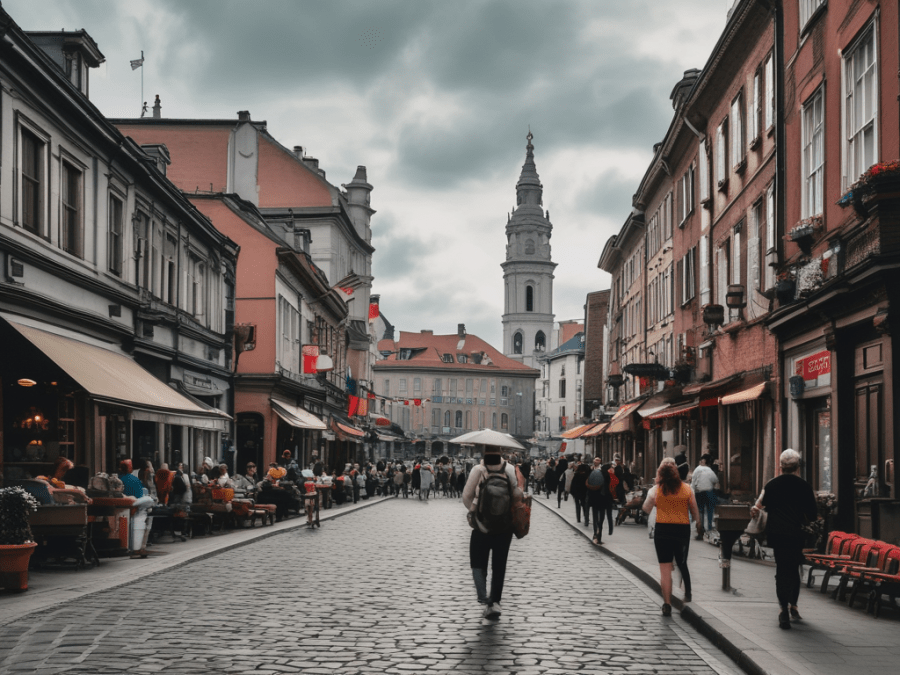
I’m one lucky girl, finding myself in a situation where I can travel for long periods with my favourite person. We’ve gotten into the habit of taking a couple of long trips a year – often 4 to 6 weeks at a time. This has meant we’ve been able to go camping, enjoy city breaks, go RVing, and take road trips to our heart’s content. Hooray for us!
We are time-rich right now as retirees, but having more time to be away while having less income means we need to be more focused on our budget. I thought I’d summarise some of the things we do to make our trips fun and make the money go a bit further.
Where and when to go
Of course, where you go will also significantly impact your spending power. Generally speaking in Europe, the further east and south you go, the more you get for your money. The kind of super luxurious accommodation and restaurants we can choose, in say, Moldova, just wouldn’t be affordable for us in, for example, Germany or France.
By seeking out less popular or yet-to-be-discovered places and travelling in the “shoulder seasons” we’ve found we can get substantially more budget-friendly deals. Some attractions may not be available out of season but this may be offset by the fact that your destination may be less crowded and it will be easier to get around.

Getting there
As a retired teacher, I was surprised by the significant difference in travel prices between school term time and holidays. Previously, I was limited to travelling during half term or summer, and the prices noticeably increased during school holidays. I recall a trip to Tunisia during the February half term; my partner’s retired parents went a week later and paid half of what we did for peak school holiday time. If possible, avoid travelling during school holidays to avoid higher prices.
Budget airlines such as EasyJet, occasionally Ryan Air and now Wizzair too, are our gateways to mainland Europe. There are many others that I haven’t yet tried but should be considered. Despite all the cunning methods that they have cooked up for extracting more and more cash from us e.g. restricting the size of baggage and making you pay premium prices for any choice such as where you sit, when you board and if you eat while you’re travelling, it’s still fairly reasonable to travel using these providers.
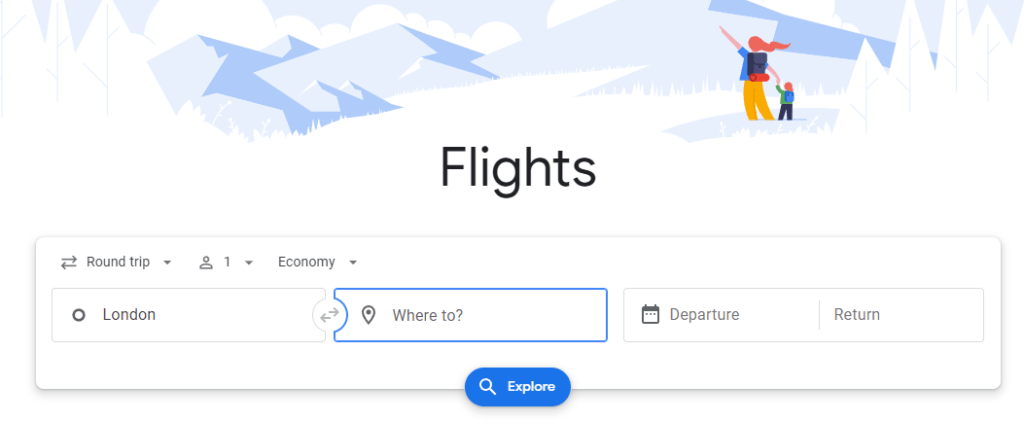
If you’re flying further afield it’s worth investing the time to track down good flight deals and booking as far in advance as you can, as prices tend to increase the closer you get to the departure date. Sites such as Skyscanner and Expedia are quite useful and companies such as booking.com seem to offer flights now as well. Even Google has a service, called imaginatively, Google Flights.
I’m British so I always have to negotiate crossing the Channel if we want to go to mainland Europe but if you are in either Blighty or on the continent, it’s easy to drive your own vehicle, notwithstanding “different” driving styles and factoring in very strict and punitive parking policing (Italy I’m looking at you).
Many European countries have extremely good rail services, e.g. Italy which is excellent and cheap. Eurostar is good although not that cheap and there are various connections across the mainland.
When you arrive
Always check to see if there is an airport shuttle train or bus rather than getting a taxi. This can be a huge saving. For example, getting a train from Vienna airport into the city saved us a huge amount.
Where to stay
Our accommodation habits have evolved significantly over the years. Simple pensions and youth hostels have made way for swish apartments via corporate hotel chains. Arriving without a plan, as we did in the early days, while exciting, means you pay a rack rate which is usually ridiculously high. Booking ahead is a must-do these days with so many outlets offering one deal or another. If you like hotels, see if you can find half-board packages where more meals are included, this might be a good choice for solo travellers. It does restrict you to eating in the same place but can reduce your meal bills by a lot.
Your proximity to the centre of a city or the main attraction will also impact the cost of your stay. If you can, stay a bit further out, maybe on a bus, tram or metro route. It can save you money and give you an alternative perspective on your destination.
Nowadays, we tend to book apartments as opposed to hotels. You can see some of my reasons here. Although we are a couple, I think apartments are a great way to save if you are travelling as a family, in a group or solo as meal costs can be drastically reduced by self-catering rather than going to restaurants.
Eating out
We mix and match when, where and whether we eat. We offset prices by balancing – restaurant or no restaurant; eating in or out; focusing on lunch or dinner or skipping the hotel breakfast.
If your hotel booking includes breakfast then by all means eat! However, if it’s not included we’ll often skip it – it’s not like we won’t be in a cafe gobbling cappuccino and a cake within 35 minutes of setting out on our sightseeing trip!
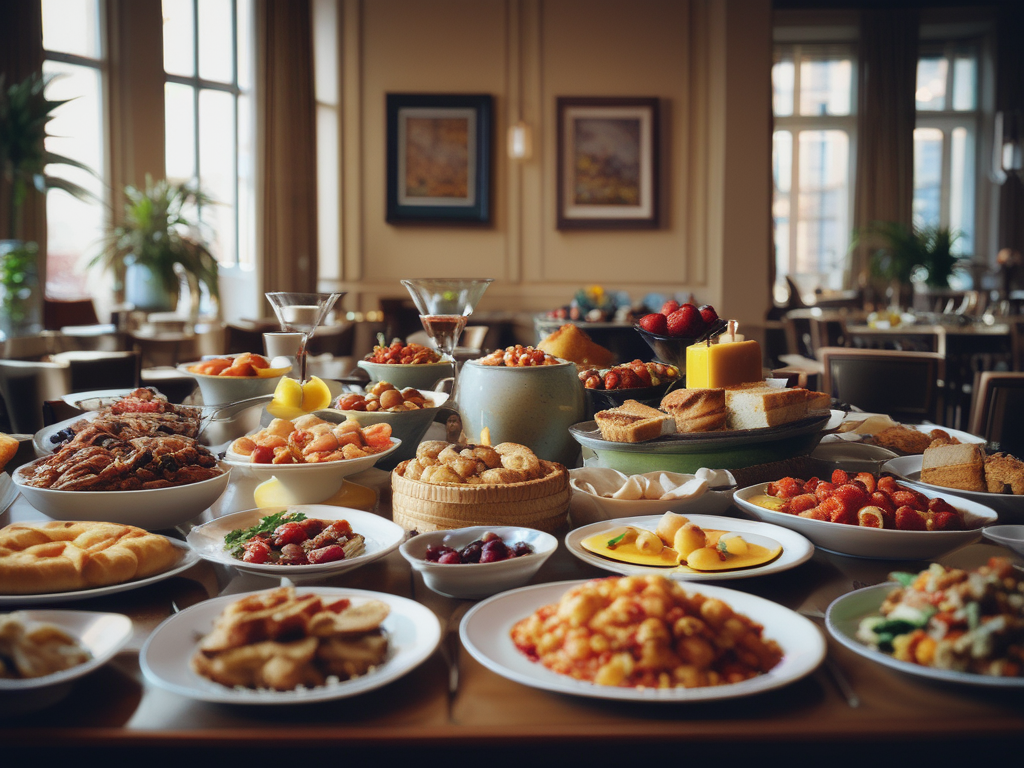
If we are somewhere like Spain where they do Menu del Dia or an equivalent, we will eat a generous lunch and then snack on tapas in the evening. By choosing when and where to have your main meal, you can save a bundle – a Menu del Dia will give you 3 courses with wine and water often for less than one plate in the evening.
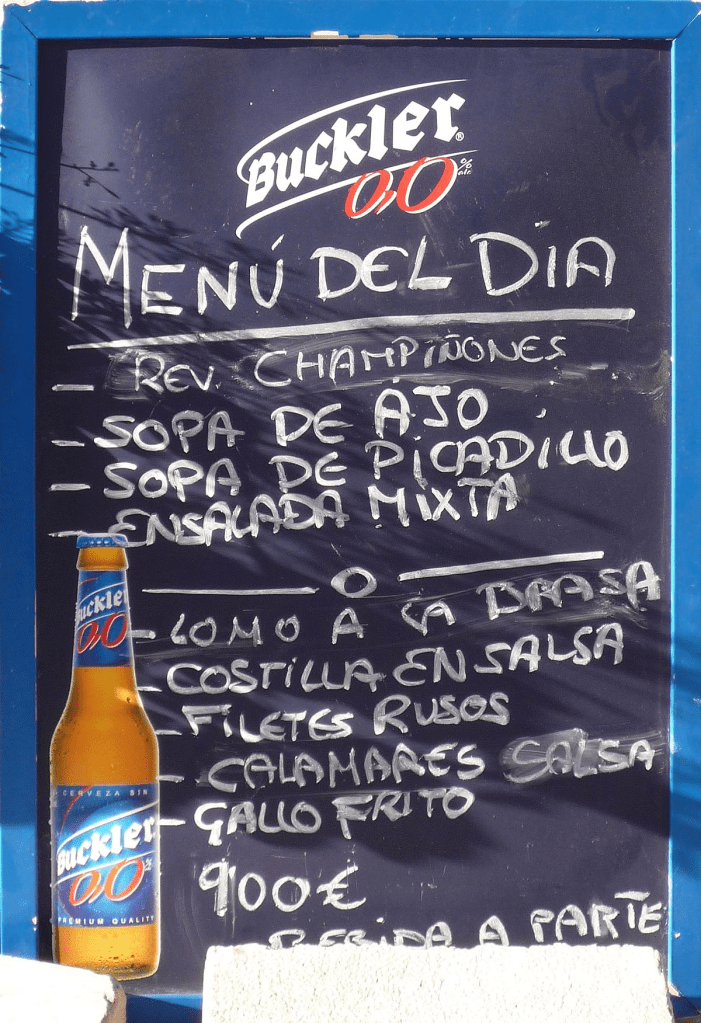
If you are staying In an apartment you can go DIY – breakfast and other meals can be taken “at home” creating great savings.
Trips and visits:
This is where we make the biggest compromises. We’ve been travelling together for a long time and the things we want to do have changed over that time. While still culture vultures, We tend to visit fewer museums and cathedrals and are more likely to stick to outdoor activities like visiting parks and viewing the architecture and actually doing things. Most outdoor activities tend to be free or cheap so this is another way to make your sightseeing more affordable. Also, if you are revisiting a place you don’t have to do the “must-sees” again. If you do want to see those recommended sites, always do your homework and see if any of them are reduced or free on the days you are there. Plus of course, now we always keep our eyes peeled for senior discounts or any other bonuses that might apply.
This summary is very Eurocentric, but if you are travelling elsewhere, it’s worth trying to apply the same approach to make your travel budget go further. And you don’t need to be retired to make some of these adjustments.
Did I miss anything? How do you economise when travelling?

 El-Gar Tour of the World